
Dialing Within Virginia
Most of Virginia now needs the area code on every local call. That applies to the four paired regions, which means Northern Virginia, the Valley and Roanoke corridor, Hampton Roads, and the Richmond region. Long distance inside the country adds a 1 before those ten digits. The habit is worth keeping statewide, even in the two regions that still have a single code, because a saved contact without an area code will eventually fail somewhere.
Here is the whole dialing pattern in one place. Every row is a different phone code format, and they do not mix.
| Call Type | Phone Code Format | Example Shape |
|---|---|---|
| Local call inside Virginia | Area code plus seven digits | 804 555 0100 |
| Long distance inside the country | 1 plus ten digits | 1 804 555 0100 |
| Toll-free | 1 plus a toll-free prefix plus seven digits | 1 800 555 0100 |
| International from a landline | 011 plus country code plus number | 011 44 and the rest |
| International from a mobile | Plus sign, country code, number | +44 and the rest |
| Service line | Three-digit N11 phone code | 211 |
Note: the ten-digit rule came from two directions at once in Virginia, the overlay codes and the arrival of the national crisis line, which the Virginia area codes page covers in detail.
N11 Service Phone Codes in Virginia
The N11 codes are the three-digit numbers you dial by themselves. Nine of them are in use, and the SCC confirmed in its most recent overlay notice that all nine stay three digits even as the state adds area codes. What each one reaches in Virginia is worth knowing, because two of them are frequently confused with each other.
| N11 Phone Code | What It Reaches in Virginia |
|---|---|
| 211 | 211 Virginia, the statewide referral service for food, housing, utility help, and human services |
| 311 | Local government service intake, but only in the Virginia localities that operate a 311 line |
| 411 | Directory assistance through your own carrier, usually for a fee |
| 511 | Virginia traffic and travel information from the transportation department |
| 611 | Customer service for whichever company provides your line |
| 711 | Virginia Relay, the telecommunications relay service, referenced by DMV and 211 guidance |
| 811 | Virginia 811, contacted before any digging |
| 911 | Emergency dispatch through the local center |
| 988 | Virginia 988, the suicide and crisis lifeline, by call or text |
211 and 311 are the pair people mix up. 211 works everywhere in Virginia and connects to services run by many different organizations. 311 belongs to one city or county and only handles that locality's own business. Where a locality has no 311 line, its main switchboard does the same job.
Star Phone Codes on Virginia Lines
Star codes are short commands rather than destinations. You dial one, the switch does something to your line, and the call either follows or does not happen at all. Support depends on the carrier. Traditional landlines handle the full set, while mobile and VoIP service picks and chooses.
| Star Phone Code | What It Does |
|---|---|
| *57 | Marks the last call for a trace. Used after threats or harassment, and the follow-up runs through the carrier and police. |
| *60 | Opens the reject list so you can add numbers you never want to hear from again. |
| *67 | Hides your own number on the next call you place. |
| *69 | Calls back whoever rang you last. |
| *70 | Turns call waiting off for one call, so a beep does not interrupt. |
| *72 | Turns on forwarding, then waits for the number that should receive the calls. |
| *73 | Switches forwarding back off. |
| *77 | Refuses calls that arrive with the caller ID hidden. |
| *82 | Shows your number on the next call when your line normally hides it. |
Note: a star code that works on a Virginia landline may do nothing on a mobile plan, so check the carrier's own feature list before relying on one.
Virginia Area Phone Codes at a Glance
Area codes are phone codes too, and in Virginia there are ten of them arranged as six regions. Four regions carry a pair of codes over the same ground, which is exactly why local calls take ten digits. The list below is the short version. Coverage detail, overlay history, and the split timeline sit on the Virginia phone area codes page.
- 703 and 571 - Northern Virginia, with 703 the state's original code from 1947 and 571 added over it in 2000
- 540 and 826 - the Valley, Roanoke, Fredericksburg, and the northwest, paired since 2022
- 757 and 948 - Hampton Roads, Tidewater, and the Eastern Shore, paired since 2022
- 804 and 686 - Richmond, the Northern Neck, and the Middle Peninsula, paired since 2024
- 434 - Charlottesville, Lynchburg, Danville, and the south-central counties, on its own
- 276 - Bristol, Abingdon, Martinsville, and the southwest mountains, on its own
Many statewide agency numbers use 804 because the agencies sit in Richmond. An 804 phone code on caller ID does not always mean a Richmond neighbor is calling.
Toll-Free Phone Codes in Virginia
Toll-free prefixes look like area codes but describe billing rather than geography. The called party pays. Each prefix was released as the one before it ran out of numbers, which is why older Virginia businesses tend to hold 800 numbers and newer ones hold the later prefixes. None of them are interchangeable. The same seven digits under 800 and under 833 are two completely different lines.
| Toll-Free Phone Code | Released |
|---|---|
| 800 | 1967, the original |
| 888 | 1996 |
| 877 | 1998 |
| 866 | 2000 |
| 855 | 2010 |
| 844 | 2013 |
| 833 | 2017 |
Plenty of legitimate Virginia services use these. Virginia 211 answers on 1-800-230-6977, the state child protection hotline is 800-552-7096, and SNAP help is on 833-522-5582. Scam callers spoof toll-free numbers too, so the prefix alone proves nothing.
Country Code 1 and International Phone Codes
Virginia sits inside the North American Numbering Plan, so its country code is 1. You almost never dial it inside the country, apart from the 1 that marks a long distance call. It matters when a call crosses a border in either direction.
- Calling abroad from a Virginia landline: dial 011, then the destination country code, then the number as it is written locally.
- Calling abroad from a mobile in Virginia: press and hold zero for the plus sign, then the country code, then the number.
- Calling Virginia from another country: dial that country's exit code, then 1, then the full ten-digit Virginia number.
- Checking a rate before you dial: international minutes are billed by the carrier, not by the phone code, so confirm the rate on your plan.
One practical example lives on Dominion Energy's customer pages, which list a separate international line for customers calling in from outside the country. That is the same pattern in reverse.
Local Exchange Phone Codes in Virginia
After the area code come three more digits, and those are the exchange or prefix. In the old network they identified a central office building and the rate center it served. Virginia's map still carries that history. Northern Virginia grew around exchanges tied to Alexandria, Arlington, Fairfax, Herndon, Reston, Leesburg, Manassas, and Woodbridge. Richmond had its own set, along with Chesterfield, Henrico, Petersburg, Ashland, and Mechanicsville. Hampton Roads had Norfolk, Virginia Beach, Chesapeake, Portsmouth, Hampton, Newport News, and Williamsburg.
That link is looser now. Number portability lets a customer keep the same prefix after moving to a new carrier, and pooled wireless blocks scattered prefixes across large areas. A free prefix lookup will tell you which company was originally assigned a block, which is a starting point and nothing more. In a wide code like 540, the prefix is still a better clue to the town than the area code is.
Spam Labels on Virginia Calls
The words Likely Spam or Scam Likely on a Virginia phone are not coming from a phone code. They come from a mix of carrier analytics and a federal framework called STIR/SHAKEN, which has networks sign calls as they pass them along so the receiving carrier can tell whether the displayed number was really used to place the call. The signing does not judge whether the caller is honest. It only checks whether the number is being used legitimately by whoever handed the call over.
That is why a label is a hint and not a verdict. Real numbers get flagged by mistake, and criminals still work with numbers they genuinely control. When a call clearly involves a faked number, the federal complaint center is the place it belongs.
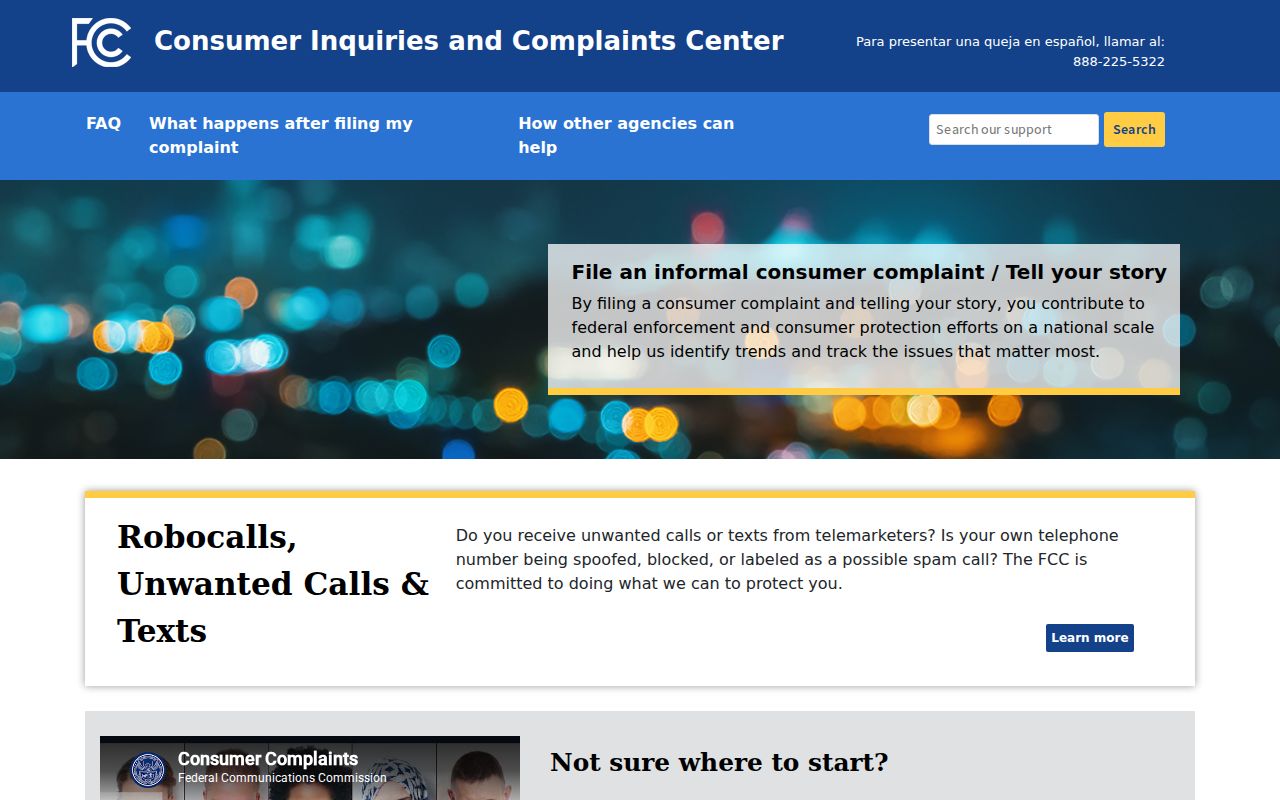
The FCC Consumer Complaint Center asks for the number shown, your callback number, the date and time, the type of call or text, any spoofing details, and the carrier if you know it. Filing by phone is possible on 1-888-225-5322. If you are unsure whether a complaint belongs with the FCC or the trade commission, there is a federal guide for that too.
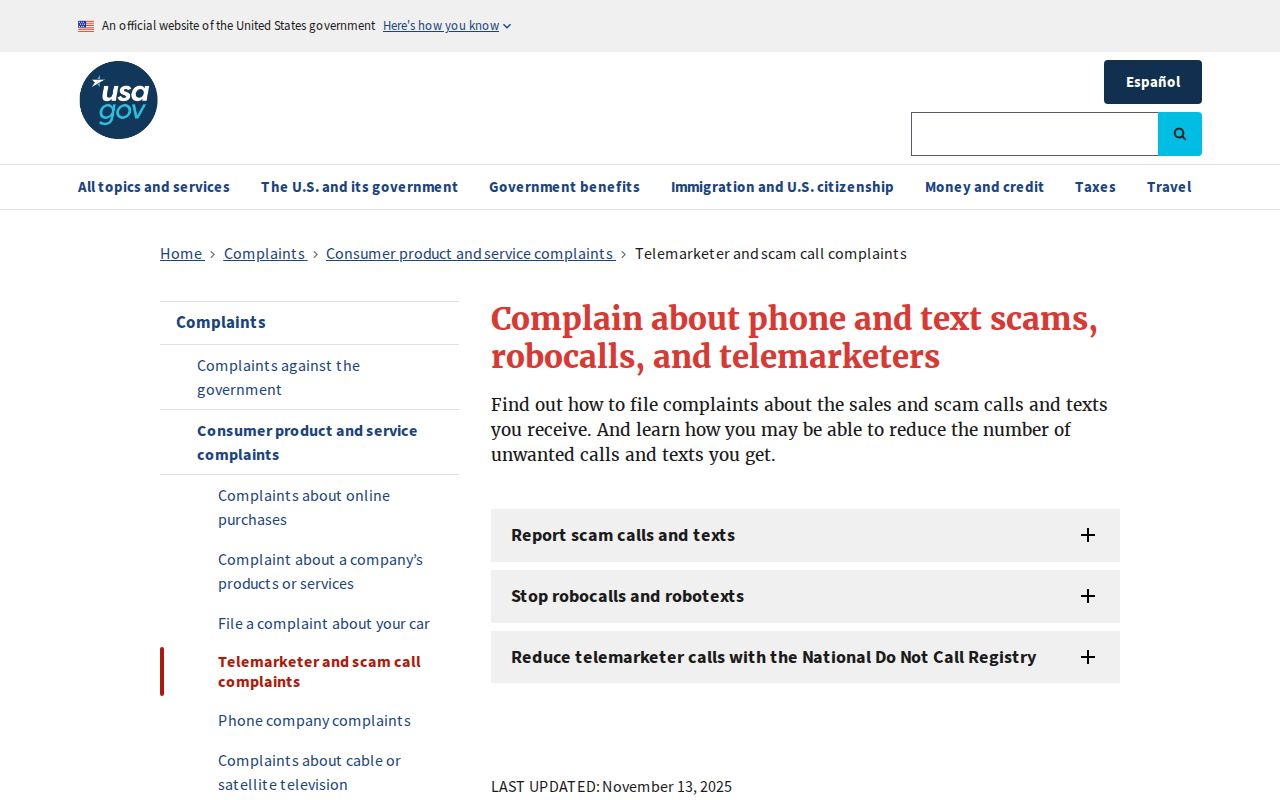
The USA.gov scam call guide sorts the two routes by what happened, which saves filing in the wrong place. Virginia-specific consumer complaints, especially where money changed hands, also belong with the Attorney General's consumer protection hotline.
Virginia Phone Codes That Screen Calls
Several phone codes exist purely to keep calls out. On a landline, *60 builds a reject list and *77 refuses calls that arrive with no caller ID attached. Carriers add their own codes on top of that. T-Mobile publishes a short code for turning its scam blocking on, and it costs nothing for customers on its networks.
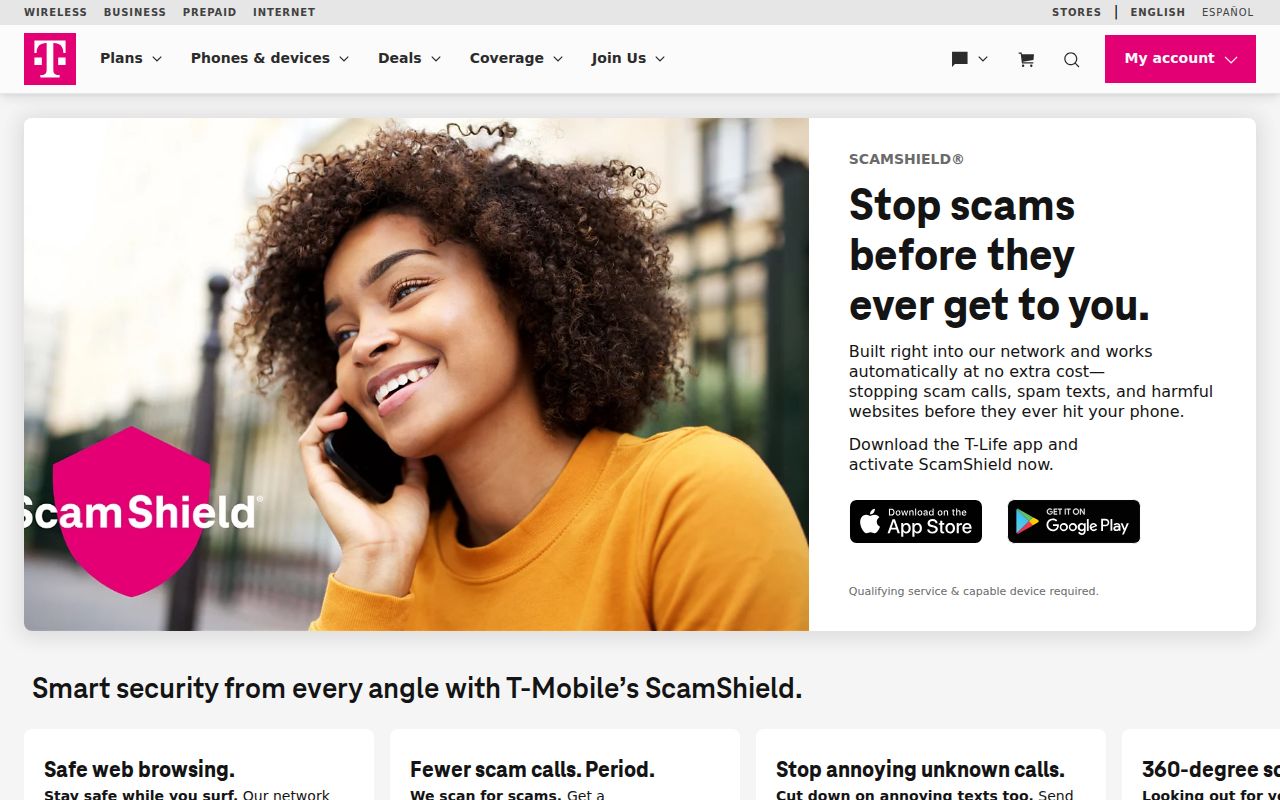
Dialing #662# switches on Scam Block for postpaid and Metro customers, according to the Scam Shield page. AT&T and Verizon run their own apps rather than a dial code, through ActiveArmor and Call Filter, and both label suspect calls on the line you already pay for.
Commercial lookup tools sit alongside those. They give a number a reputation score rather than a name, and they are worth exactly that much.
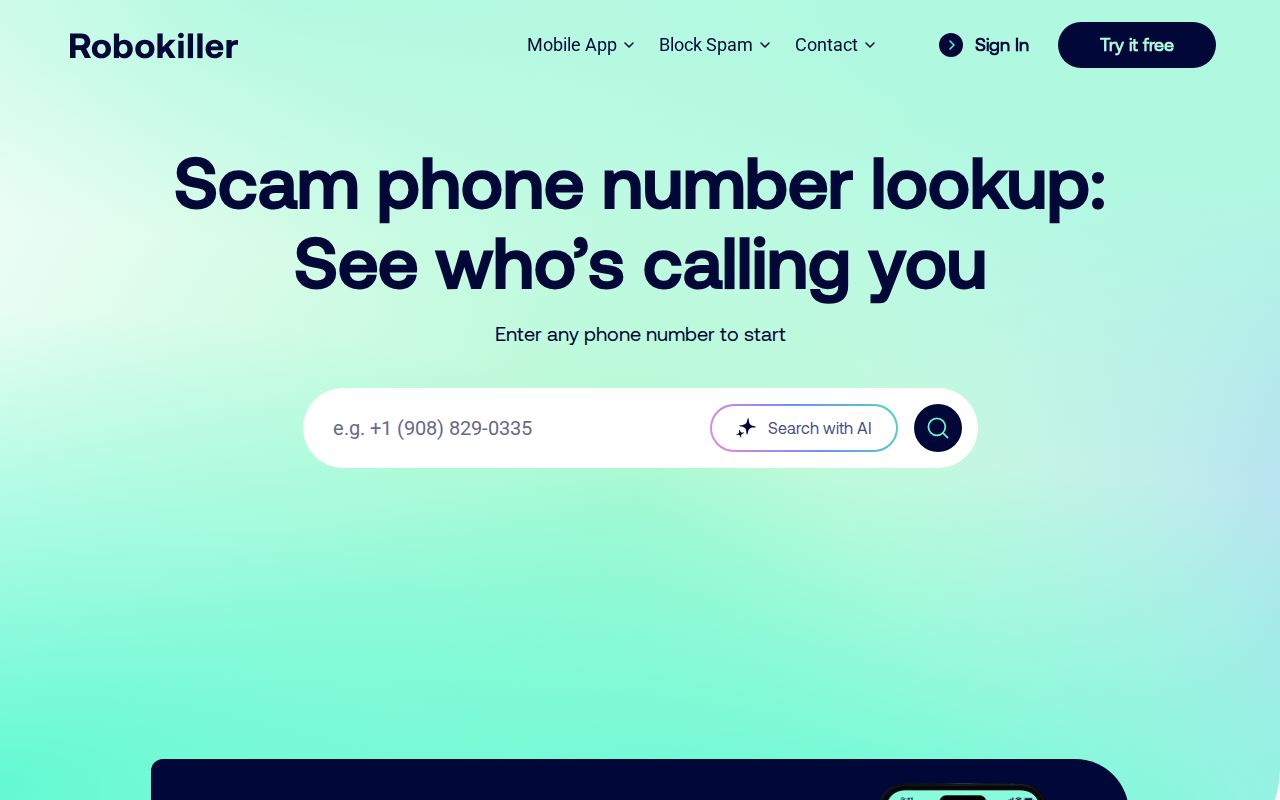
A search on RoboKiller Lookup returns spam context for free and then steers toward its paid blocking app. Treat the result as one opinion, since a number that changed hands keeps the reputation of whoever had it last.
The registry route is slower but broader, and it is the only one that carries a legal weight behind it.
Registering a Virginia number on the Do Not Call Registry is free, and complaints can be filed once the number has been registered for 31 days. It cuts legitimate telemarketing. It does not stop criminals, political calls, charities, surveys, or debt collectors, and no phone code will.
Virginia Phone Code Definitions
Five terms cover most of the jargon on this subject.
- NPA
- The industry name for an area code, short for numbering plan area. Virginia has ten.
- NXX
- The three digits between the area code and the last four, once tied to a specific switch.
- N11
- The nine short service codes dialed on their own, from 211 through 988.
- Vertical service code
- A star command that changes how your line handles the next call, or all calls until you cancel it.
- Toll-free prefix
- A leading code that shifts the cost of the call to the business being called.
- NANP
- The shared numbering system behind country code 1, covering the United States, Canada, and a set of Caribbean and Atlantic territories.
How to Check a Virginia Phone Code
Any phone code can be verified against a published source, and it usually takes under a minute. The numbering administrator covers area codes and relief planning. The federal regulator covers consumer questions about numbering and unwanted calls. The state commission covers Virginia relief cases and overlay notices, and it is also where a utility complaint belongs. For using these codes to actually track down a number, the Virginia phone numbers page has the directory routes.